A daily forecast of where sharks are likely to take your catch, built from boat reports and ocean data.
Depredation is a shark stripping a hooked fish before it's landed. Bycatch is catching something you weren't after at all, sharks included. Both cost captains fish, fuel, gear, and time, and almost nobody tracks either one. Three out of four anglers have lost fish to sharks in the past five years, and roughly 80% of depredation goes unseen entirely, so it's never even counted. In the Gulf, depredation has roughly tripled since 2005. Nationally, bycatch costs U.S. commercial fishing about a billion dollars a year.
Casselberry et al., Fisheries Research 2022 · SAFMC, "Taking a Bite" · NOAA Bottom Longline Survey · Marine Policy 2013 / Oceana 2014
Your phone tracks where the boat stops. No coordinates, no typing, just GPS running quietly in the background.
At the end of the trip, go through each stop once: lost a fish to a shark, hooked a shark, or nothing happened.
Every morning, each of your spots gets a risk rating, plus a heat map of shark activity nearby.
Other captains only ever see shaded zones. Nobody sees your exact spots, not even us.
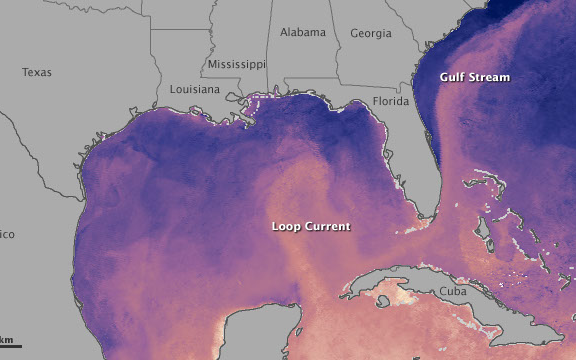
NASA Earth Observatory
As a kid, I was standing on the beach in Ocean City, Maryland, with my cousin when we spotted a fourteen-foot hammerhead cruising offshore. I never got over it. About two years ago I started writing a book about the economics of the shark industry, and the same conflict kept coming up: fishermen losing their catch to sharks, and blaming the sharks for it. We've been wrong about predators before.
Sharks are where Nereus starts, but the real goal is bigger: a live picture of how marine life moves, useful to regulators, researchers, seafood companies, and anglers, not just charter captains.
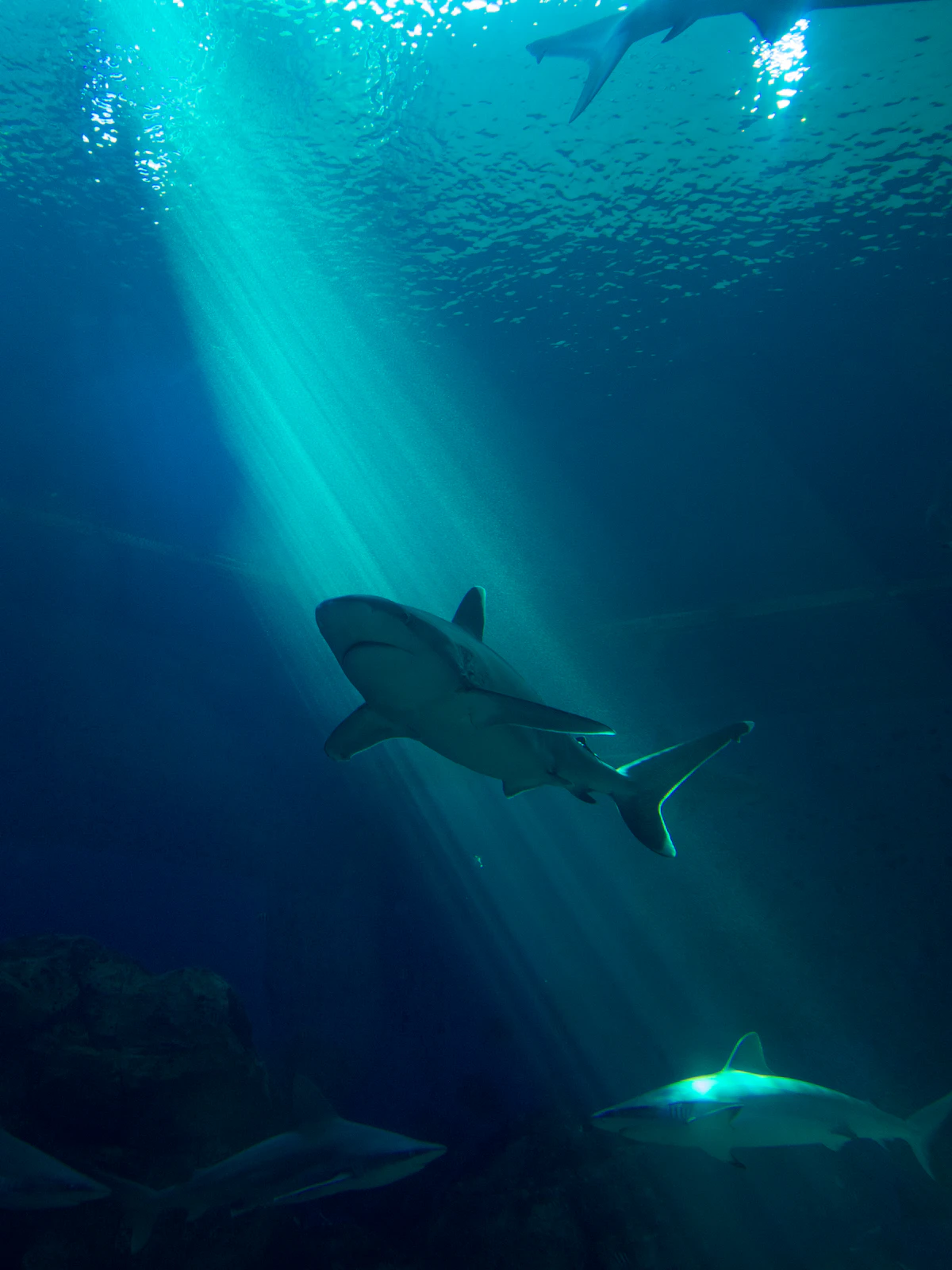
Photos via Unsplash
Read the full manifesto, or Fins and Fortunes, the book that started it.